Key Highlights
● Supply chain optimization aligns network design, planning, and execution to improve the movement of goods, information, and resources
● It helps businesses manage demand fluctuations, control inventory costs, and reduce delivery delays
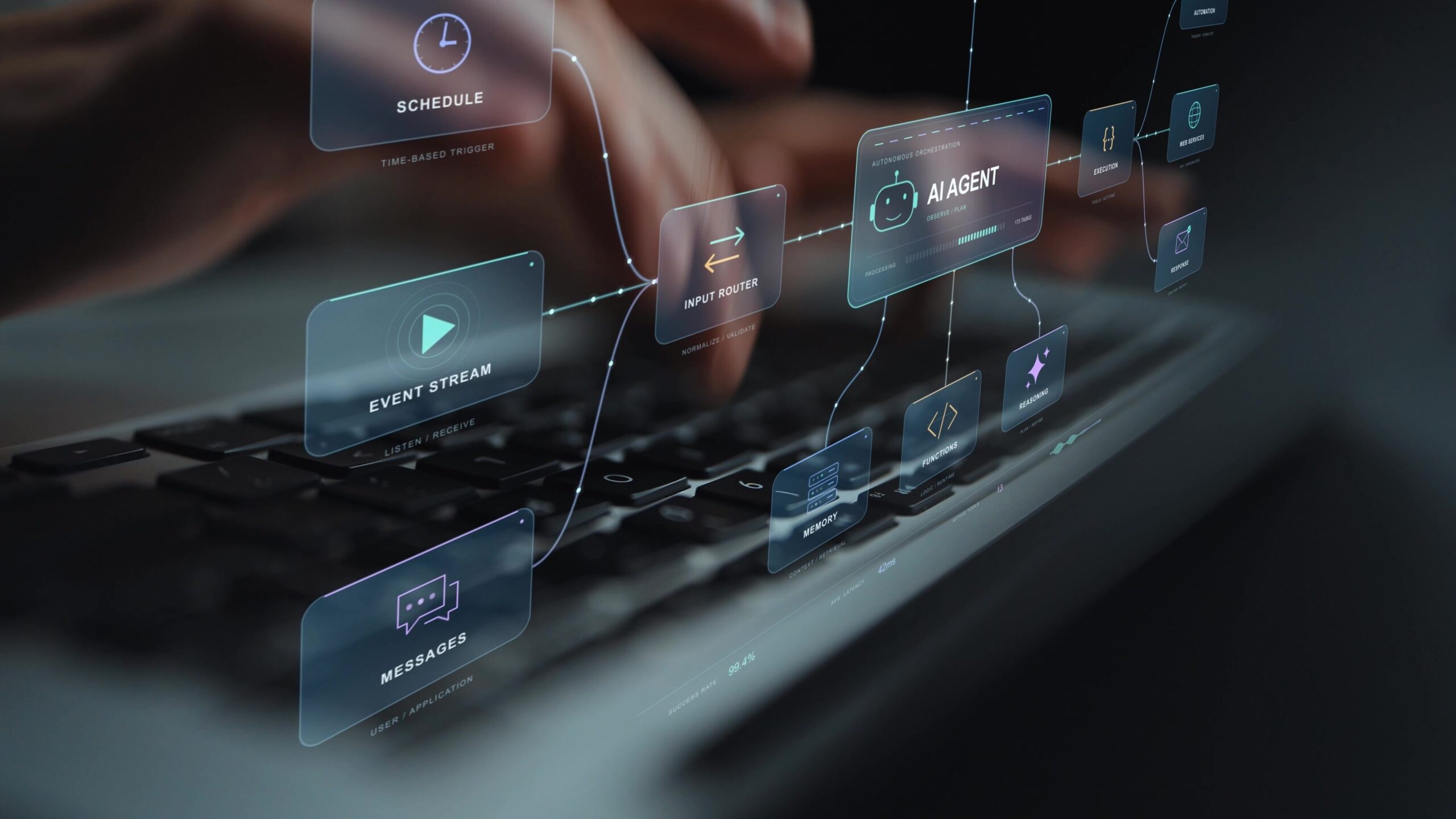
● Optimization models, Artificial Intelligence (AI), Machine Learning (ML), and digital twins help organizations make informed supply chain decisions
● Process automation and connected workflows improve coordination between suppliers, procurement, finance, warehousing, and logistics teams
● A structured approach to supply chain planning and optimization helps businesses improve visibility, manage disruptions and maintain operational continuity
What is Supply Chain Optimization?
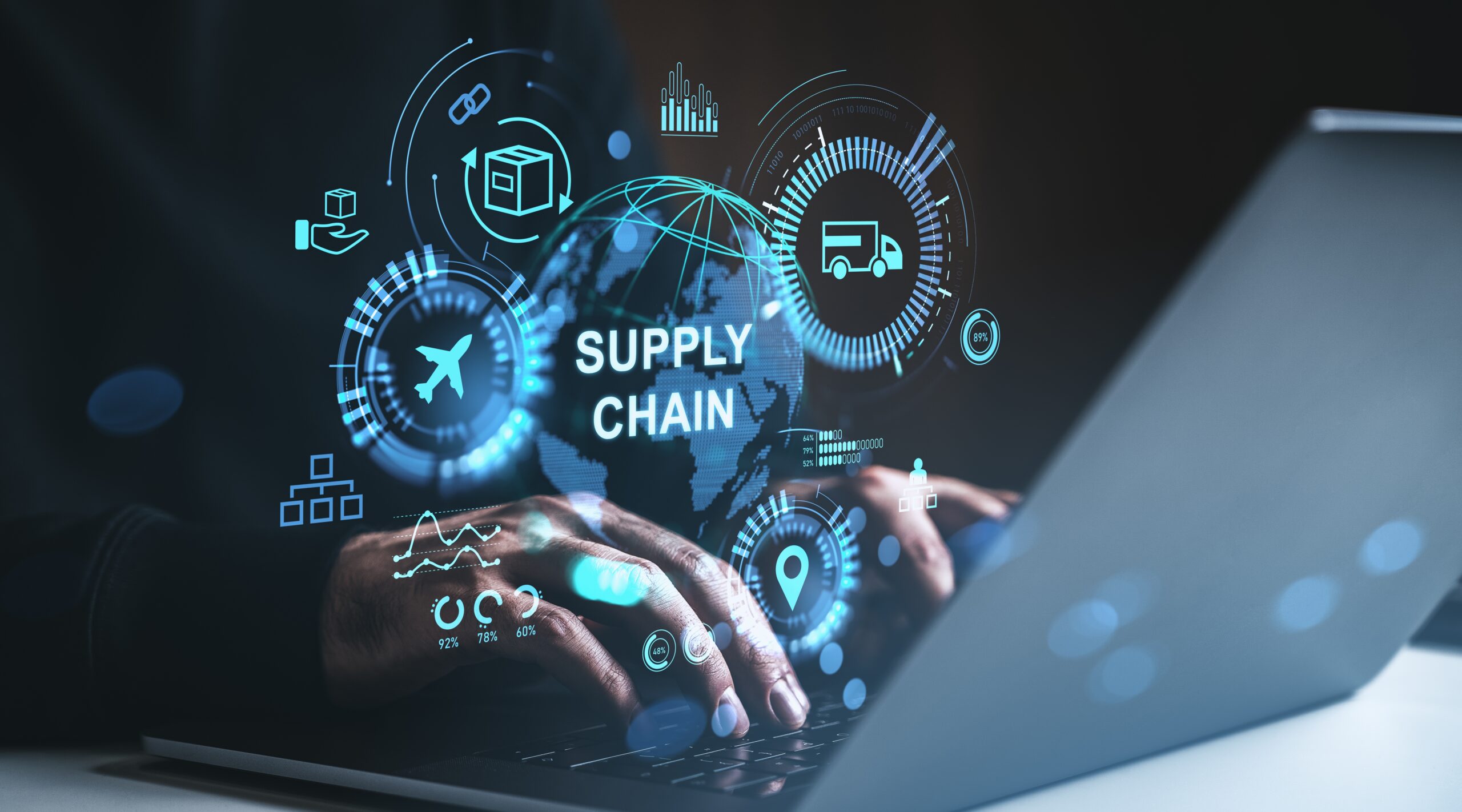
Supply chain optimization is the process of improving how goods, information and resources move from suppliers to end customers. It involves coordinating network design, planning and execution to reduce operational inefficiencies, manage costs and meet customer demand. Businesses use data, analytical models and automation to make decisions across procurement, production, inventory and distribution.
Supply chain optimization has three interconnected components:
- Design: Determines the location of warehouses, distribution centers, manufacturing facilities and supplier networks to establish an efficient supply chain structure
- Planning: Aligns demand forecasts, production schedules, procurement requirements and inventory levels with business objectives
- Execution: Coordinates purchasing, order processing, warehousing, transportation and delivery to ensure planned activities are completed
These components work together. For example, a manufacturer may have sufficient raw materials but still experience production delays if procurement schedules aren’t aligned with demand forecasts. Connecting planning information with operational workflows helps teams identify such gaps and respond before they affect delivery commitments.
Why Supply Chain Optimization Matters for Modern Businesses?
Modern supply chains involve multiple suppliers, locations, systems and business teams. When procurement, inventory, production and logistics operate in silos, organizations struggle to access accurate information and respond to changes. Supply chain management optimization helps connect these activities, giving decision-makers better visibility into operations and potential disruptions.
Three challenges make optimization particularly important:
- Disconnected systems: Procurement, warehouse and logistics teams may maintain separate records, making it difficult to track orders, inventory and supplier commitments
- Demand fluctuations: Sudden changes in customer demand can create excess inventory or stock shortages when forecasts and production plans aren’t updated
- Disruption risks: Supplier delays, transportation constraints and geopolitical events can interrupt material availability and affect delivery schedules
A connected operating model helps businesses coordinate responses across departments. Instead of waiting for manual updates, teams can use shared information, automated notifications and defined escalation workflows to address exceptions.
Benefits of Supply Chain Optimization
The benefits of supply chain optimization extend beyond reducing transportation or procurement expenses. A coordinated approach helps organizations manage resources, improve service levels, and respond to operational changes.
Lower Operating Costs
Supply chain optimization helps identify unnecessary procurement expenses, inefficient transportation routes, excess inventory, and repetitive administrative work. Businesses can use demand forecasts and cost analysis to align purchasing with actual requirements. Automating purchase approvals and invoice processing can also reduce manual intervention and associated administrative effort.
Better Inventory Control
Accurate inventory information helps businesses maintain appropriate stock levels across warehouses and distribution centers. By connecting demand forecasts with procurement and warehouse information, organizations can identify slow-moving products, avoid unnecessary purchases and reduce stockout risks.
Faster Delivery
Coordinated order processing, warehouse operations, and logistics planning help reduce delays between order placement and fulfillment. Teams can track pending activities, identify bottlenecks and escalate exceptions before they affect delivery schedules.
Supply Chain Resilience
A resilient supply chain can respond to supplier disruptions, demand changes, and transportation constraints without losing operational visibility. Businesses can establish alternative sourcing processes, monitor supplier performance, and maintain documented escalation workflows to manage unexpected situations.
Supply Chain Planning and Optimization Stages
Supply chain planning and optimization involve a series of connected activities. Each stage uses information from the previous one to align resources with business requirements.
Network Design
Network design determines where production facilities, warehouses and distribution centres should operate. Businesses evaluate supplier locations, transportation costs, customer demand and regional constraints before selecting a suitable network structure.
Demand and Supply Planning
Demand planning estimates future customer requirements using historical sales, market conditions and seasonal patterns. Supply planning translates these forecasts into procurement and production requirements, helping organizations balance available resources with expected demand.
Inventory Optimization
Inventory optimization determines the quantity and location of stock required to meet service expectations without increasing carrying costs. Businesses consider lead times, demand variability, safety stock and replenishment schedules when setting inventory policies.
Execution and Logistics
Execution converts supply chain plans into operational activities. It includes purchase order management, production coordination, warehouse operations, transportation and delivery tracking. Defined workflows help teams manage approvals, exceptions and documentation across these activities.
Supply Chain Optimization Models
Supply chain optimization models help businesses evaluate different operational decisions before implementing them. The choice of model depends on the problem, available data and planning requirements.
| Optimization model | How it works | Business application |
|---|---|---|
| Linear programming | Uses mathematical constraints and objective functions to identify an optimal solution | Allocating production capacity or minimizing transportation costs |
| Simulation models | Replicate supply chain scenarios to evaluate possible outcomes under different conditions | Assessing the impact of supplier delays or demand fluctuations |
| Network models | Represent suppliers, facilities, warehouses and distribution routes as connected nodes | Evaluating distribution networks and transportation routes |
Organizations can combine these models to evaluate trade-offs between cost, capacity, delivery time and service levels. The results support planning decisions, while operational systems and workflows help teams implement and monitor them.
Supply Chain Optimization Technologies
Technology helps businesses collect operational information, evaluate alternatives, and coordinate activities across supply chain functions. The right combination depends on the organization’s planning maturity, system architecture and operational requirements.
Machine Learning and AI
Machine Learning (ML) algorithms analyze historical and current data to identify demand patterns, estimate replenishment requirements and flag potential disruptions. AI-powered applications can also classify procurement documents, extract information from invoices and support exception handling. These capabilities help planners make informed decisions while reducing repetitive data processing.
Digital Twins
Digital twins create virtual representations of physical supply chain networks, processes or assets. Businesses can use them to simulate changes in production capacity, transportation routes and inventory allocation before making operational decisions.
Control Towers
Supply chain control towers provide a consolidated view of activities across suppliers, warehouses, orders and transportation networks. They help teams monitor performance indicators, identify exceptions and coordinate responses across different functions.
Process Automation
Process automation connects activities such as purchase requests, supplier onboarding, invoice verification and approval routing. For example, when a supplier submits an invoice, an automated workflow can capture the document, extract relevant details, route it for validation and notify the appropriate team about exceptions.
Platforms such as NewgenONE support enterprise process orchestration by bringing together content management, workflow automation, customer communication and AI capabilities. Its integration capabilities help organizations connect existing enterprise applications and coordinate document-intensive processes without treating every activity as a separate system.
Supply Chain Optimization Best Practices
Businesses need more than analytical tools to achieve consistent improvements. They must establish reliable processes, maintain accurate information and monitor operational performance.
- Maintain clean data: Standardize supplier records, product information, inventory details and transaction data to improve the accuracy of planning decisions
- Collaborate with suppliers: Share relevant forecasts, procurement schedules and delivery requirements to improve coordination and reduce information gaps
- Track relevant KPIs: Monitor inventory turnover, order fulfilment rates, supplier lead times, on-time delivery and logistics costs to identify performance gaps
- Review processes regularly: Evaluate procurement, warehousing and distribution workflows to identify delays, unnecessary approvals and repetitive tasks
- Establish exception workflows: Define responsibility, escalation rules and approval paths for supplier delays, stock shortages and delivery disruptions
Supply Chain Optimization Case Study Examples
A supply chain optimization case study can show how businesses address operational bottlenecks through better information management, connected workflows and process automation. The following examples illustrate how these approaches apply across industries.
Manufacturing: A Newgen case study involving a steel tube manufacturer describes the automation of accounts payable across 11 manufacturing plants. The organization faced challenges with invoice tracking, manual data entry into SAP and disconnected documentation. Newgen helped centralize invoice-related information and automate the accounts payable workflow.
Retail: A retailer managing multiple warehouses may struggle to maintain consistent stock information across stores. Connecting inventory records with purchase requests and approval workflows can help teams identify replenishment requirements and coordinate stock transfers.
Fast-moving consumer goods (FMCG): An FMCG manufacturer may need to coordinate raw material procurement, production schedules and distributor orders. Connecting these activities with documented workflows can help teams respond to changing demand and manage supplier-related exceptions.
The retail and FMCG examples are illustrative scenarios, not published Newgen customer case studies. Actual results depend on the organization’s processes, systems and implementation scope.
Conclusion
Supply chain optimization helps businesses connect planning decisions with everyday operations. By improving data visibility, coordinating suppliers and automating document-intensive workflows, organizations can reduce process delays and respond more effectively to changing requirements.
Technology plays an important role, but its value depends on how well it connects existing systems and business activities. NewgenONE brings together process automation, content services, communication and AI within one enterprise orchestration platform. Businesses looking to improve cross-functional workflows can explore its capabilities to understand how connected processes support operational efficiency and governance.