

“Midmarket or enterprise organizations seeking a robust and scalable solution, with strong native AI features and intelligent forms, for managing complex communication networks and journeys should consider Newgen.”
Marci Maddox, Research Vice President, Digital Experience Strategies, IDC

Engage customers intelligently with AI and GenAI-powered customer communication management (CCM) software, delivering contextual, real-time interactions across their preferred channels. Leverage GenAI to personalize messaging, automate content creation, and enhance responsiveness. Design and deploy standard or custom communications effortlessly using a visual, model-driven environment. Seamlessly integrate AI-powered customer communication workflows with plug-and-play capabilities, ensuring a connected, dynamic experience across applications, touchpoints, and enterprise ecosystems.
How NewgenONE Customer Communication Management Improves Customer Experience
Modernize Template Generation
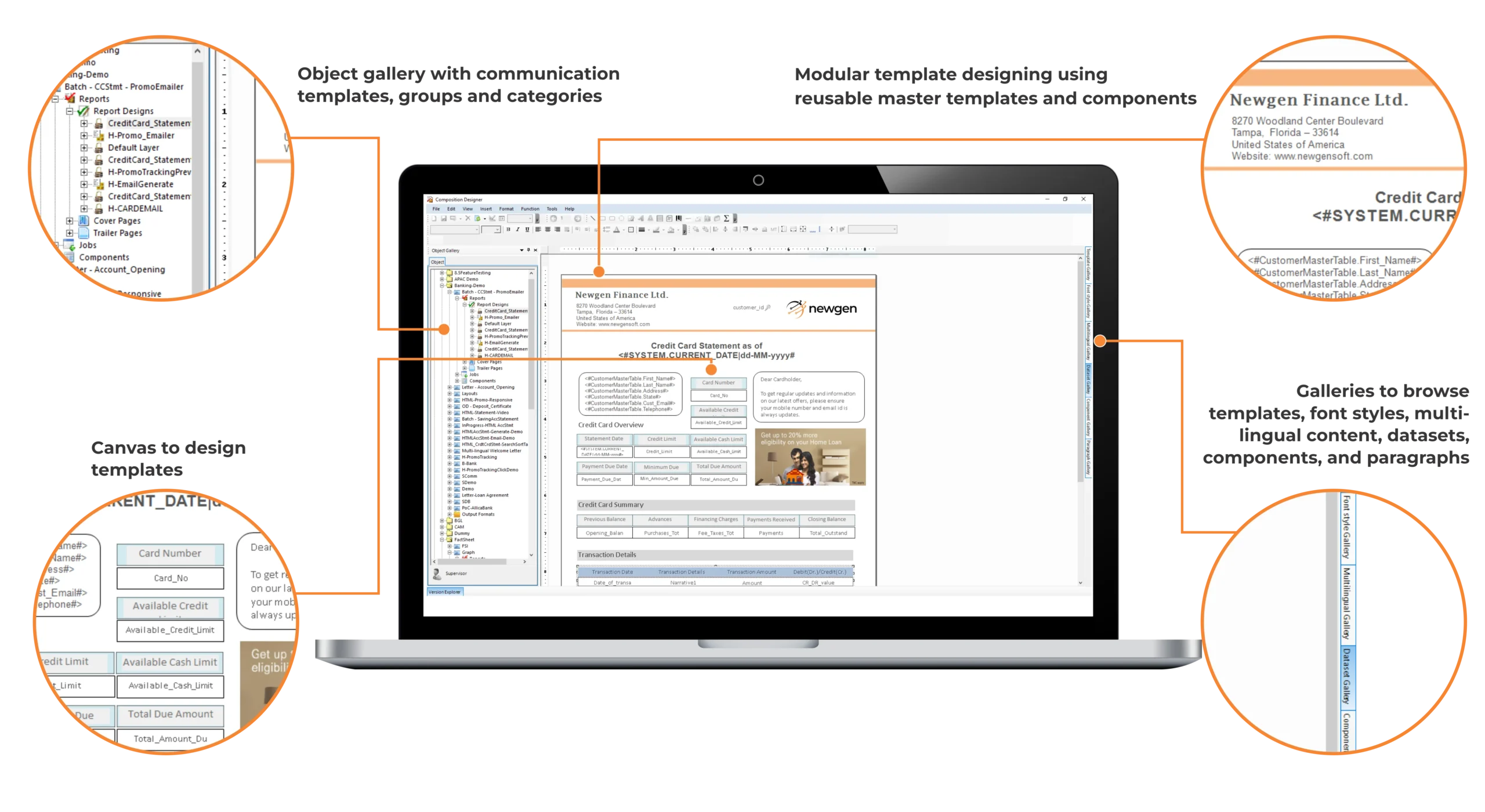
User-friendly Template Design
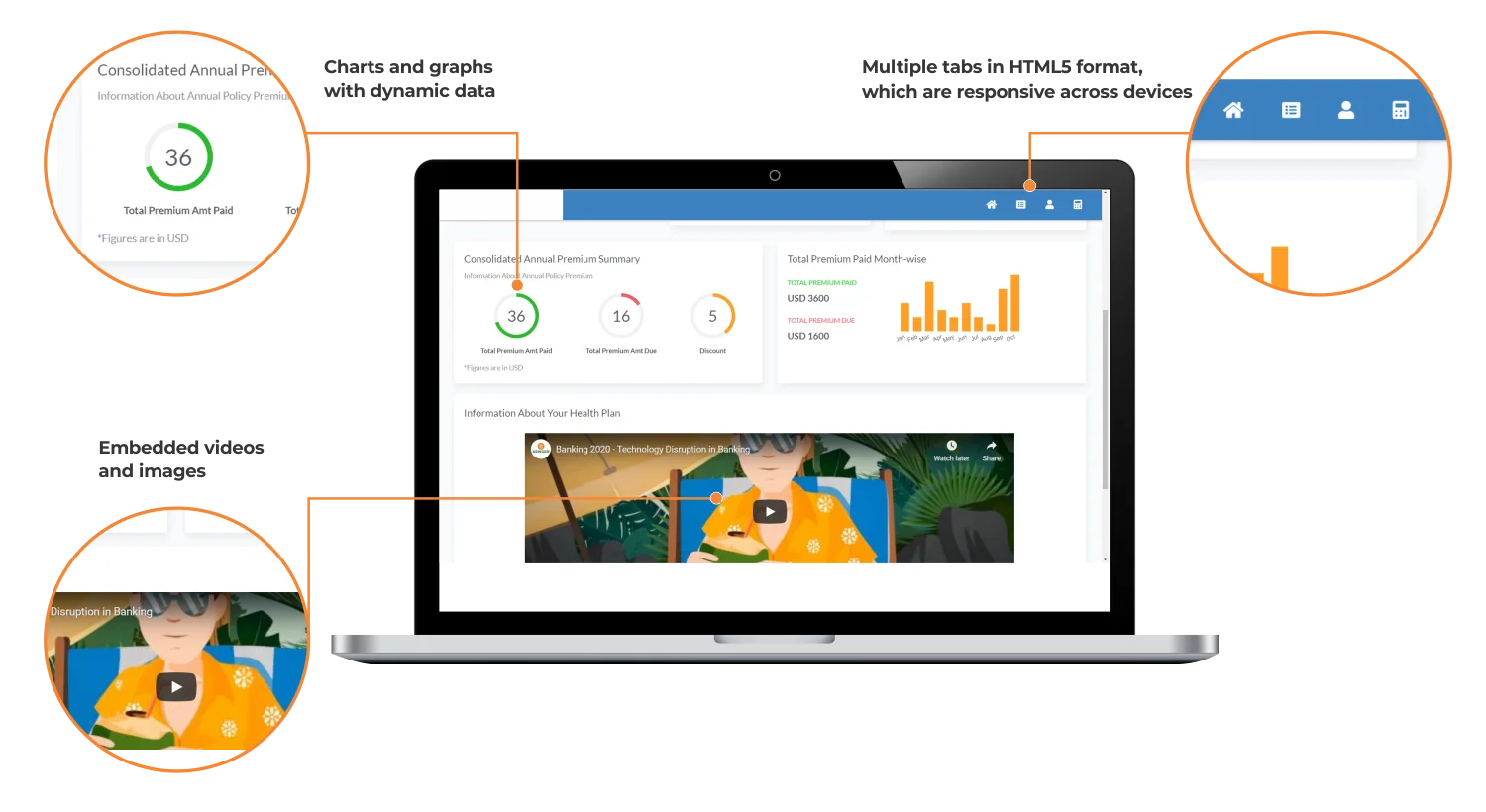
Personalized Customer Communication
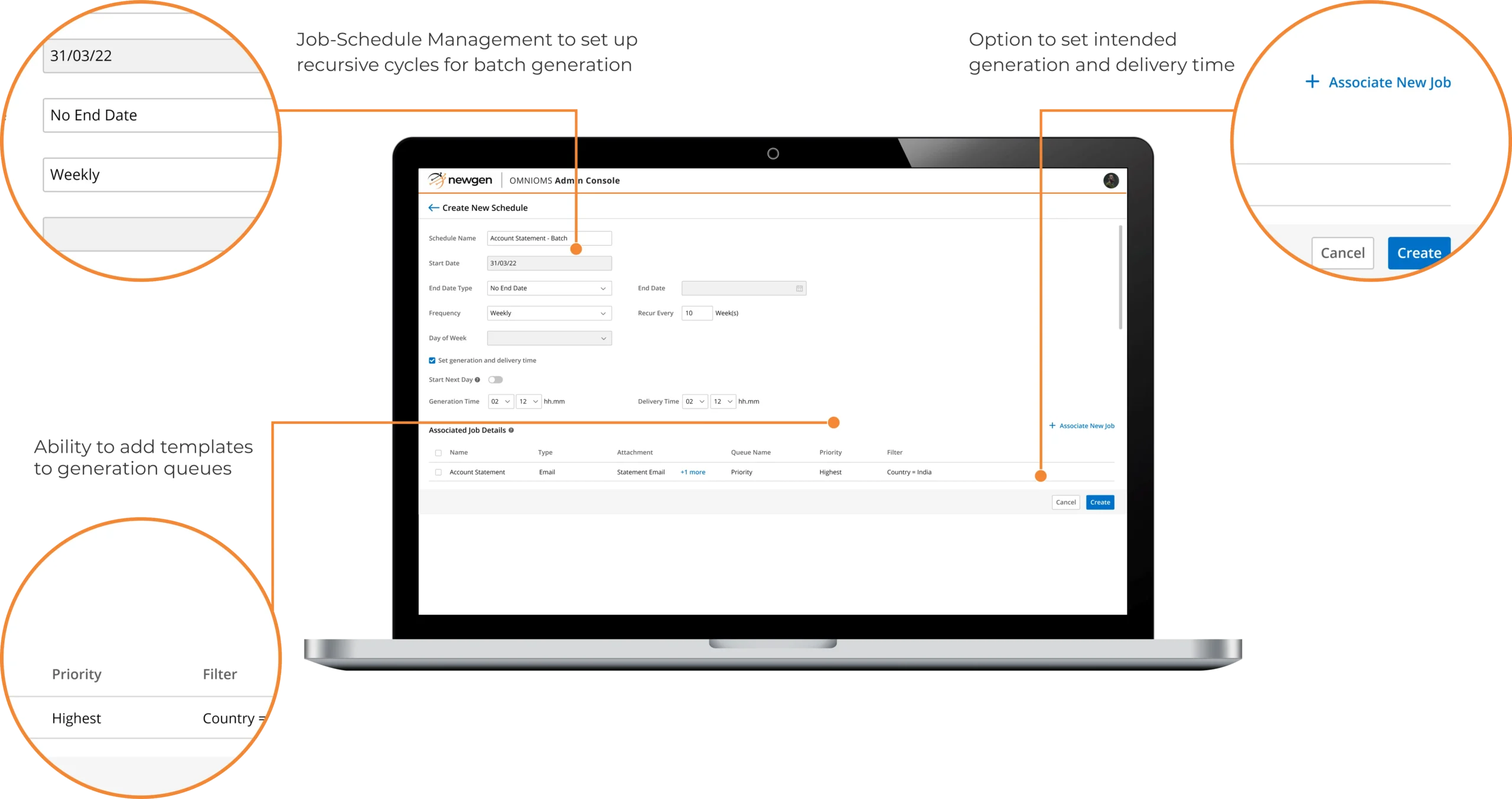
Scalability and Compliance
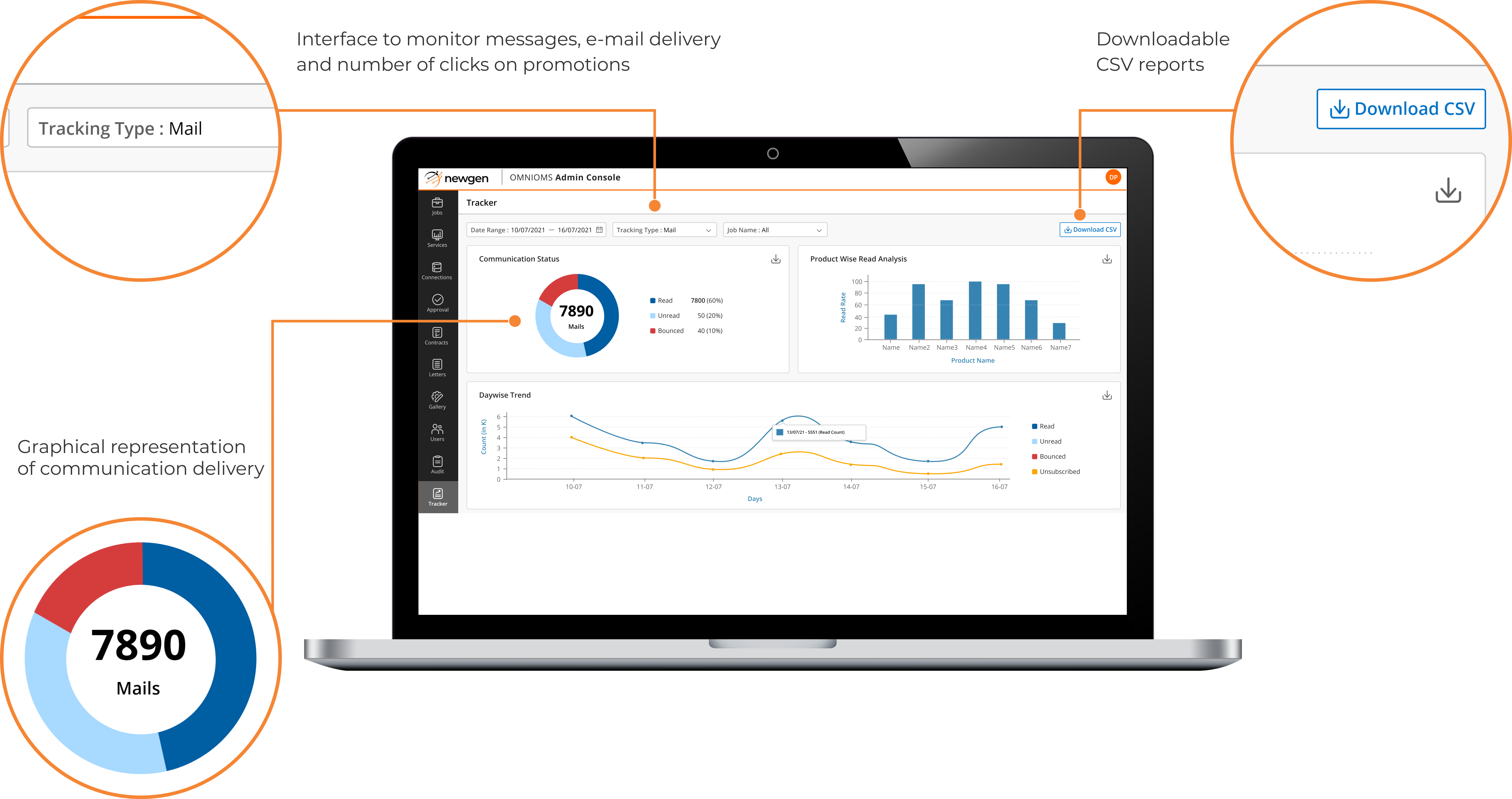
Modernize Template Generation
User-friendly Template Design
Personalized Customer Communication
Scalability and Compliance
Benefits of NewgenONE Customer Communication Management (CCM) Platform
A modern Customer Communication Management (CCM) software integrates various technologies and processes, including content management, delivery systems, customer data management, and analytical tools, to offer efficient customer communications with consistency across all aspects of a customer’s experience.
Enhance Customer Experience
Enable intelligent, responsive interactions across multiple channels with AI-powered document generation and self-service portals. Reduce wait times with GenAI’s dynamic, event-triggered communication capabilities, ensuring proactive engagement. Expand reach through social media, triggering personalized, real-time interactions tailored to customer preferences.
Ensure Seamless Communications
Leverage integration ecosystem and cloud-ready APIs for SaaS applications to ensure seamless information flow across systems. Interact with your customers on-demand through their preferred digital channels.
Enterprise-grade Scalability and Compliance
Ensure 100% auto archival of every communication while complying with regulatory and data protection requirements. Handle a large volume of communications with our cloud-based customer engagement suite.
Enhance Customer Communications for Truly Exceptional Experiences
Today’s customers crave experiences that feel instant, engaging and perfectly tailored to their needs. The shift from static templates to Intelligent Customer Communications Management is opening new possibilities for personalized real-time conversations with customers where every message feels as if it was crafted just for one because now it truly can be.
Lead with an Industry-recognized Platform


Customers









Customers Speak


Chief Retail Banking Officer
Bank Dhofar
Real Outcomes Across Industries













All you need to know about Customer Communication Management Software
Customer Communication Management (CCM) is the strategy and technology used to create, personalize, manage, and deliver customer communications across channels like email, SMS, print, portals, chat, and mobile apps. It centralizes templates, content blocks, rules, and branding to ensure consistent, compliant, and timely communications throughout the customer journey.
A Customer Communication Management (CCM) platform uses templates, content libraries, business rules, workflow automation, and channel delivery engines to design and send communications. It pulls data from enterprise systems, applies personalization, triggers events, and delivers messages through digital or print channels. It also manages version control, approvals, and archiving to support governance.
Customer Communication Management (CCM) software manages statements, policies, reminders, alerts, onboarding letters, regulatory notices, bills, quotes, approvals, confirmations, renewal messages, marketing communications, and service notifications. It supports structured, interactive, and on-demand communication across both digital and print channels.
Customer Communication Management (CCM) solution ensures customers receive timely, relevant, and consistent information across all touchpoints. It reduces friction, prevents errors, supports personalization, and ensures brand alignment. By delivering connected communications across channels, CCM improves customer satisfaction, retention, and trust.
Key features of Customer Communication Management (CCM) include omnichannel delivery, template and content management, dynamic personalization, rules-based composition, workflow automation, versioning, approvals, analytics, AI-powered optimization, and secure archival. Modern platforms support multi-brand, multi-language, and scalable communication operations.
Omnichannel communication delivers consistent, connected messages across channels such as email, SMS, WhatsApp, print, chatbots, mobile apps, and portals. Customer Communication Management (CCM) platform ensures the customer receives the same information regardless of channel, improving clarity, reducing confusion, and creating a unified experience.
Key features of Customer Communication Management (CCM) include omnichannel delivery, template and content management, dynamic personalization, rules-based composition, workflow automation, communication scheduling (event-, time-, and journey-based), versioning, approvals, analytics, AI-powered optimization, and secure archival. Modern platforms support multi-brand, multi-language, and scalable communication operations.
Use cases of Customer Communication Management (CCM) include account onboarding, policy issuance, claim updates, loan servicing, billing, collections, reminders, regulatory notices, confirmations, approvals, statements, and service alerts. CCM is widely used in banking, insurance, government, telecom, utilities, and healthcare.
Customer Communication Management (CCM) enforces standardized templates, rules, and review workflows to ensure accurate, compliant communications. It maintains audit trails, version history, approvals, and secure archival. Centralized governance reduces errors, ensures timely disclosures, and helps organizations meet regulatory standards.
AI in CCM automates template generation, content recommendations, personalization, dynamic layouts, and channel optimization. AI agents can identify inconsistencies, monitor tone, ensure compliance, and assist with content review. This reduces manual effort, accelerates communication creation, and enhances relevance and accuracy.
Yes. Customer Communication Management (CCM) software uses data-driven rules, variables, content blocks, and AI to generate individualized messages for millions of customers. It adapts language, layout, offers, product details, and delivery channels based on customer profiles, behavior, and preferences, ensuring highly targeted communication.
Customer Communication Management (CCM) software maintains separate brand libraries, templates, content blocks, color palettes, disclaimers, and language packs. It helps teams manage localized messaging, regulatory variations, and brand-specific assets, all while maintaining centralized control and ensuring consistent delivery across regions or product lines.
Templates define the structure, layout, branding, and logic of communications, while content blocks store reusable text, images, disclaimers, and legal elements. Together, they speed up content creation, enforce compliance, and ensure consistent communication across channels.
Customer Communication Management (CCM) integrates with CRM, ERP, policy administration systems, LOS, billing, insurance core systems, and data platforms via APIs, web services, batch files, and event triggers. This enables real-time personalization, accurate data retrieval, automated updates, and synchronized communication workflows.
Key KPIs of CCM platform include delivery success rate, open rates, channel utilization, turnaround time, template reuse, personalization depth, error reduction, compliance adherence, customer satisfaction, and operational efficiency. Analytics track communication quality, speed, and engagement.
CCM software improves consistency, compliance, personalization, and customer experience. It reduces manual effort, accelerates communication creation, supports omnichannel delivery, strengthens brand control, and drives operational efficiency. It also enables faster approvals and centralized governance.
Common challenges of Customer Communication Management (CCM) software include fragmented content, legacy systems, inconsistent templates, lack of governance, siloed teams, and compliance complexity. Successful adoption requires centralized ownership, standardized templates, strong integrations, and clear communication workflows.
Yes. Cloud-based CCM platforms use encryption, access controls, data masking, auditing, MFA, and compliance certifications like ISO, SOC, GDPR, and PCI. They support secure archival and ensure communication integrity while providing scale and flexibility.
Customer Communication Management (CCM) platforms orchestrate review cycles, content approvals, legal checks, branding validation, routing rules, and final publishing. Automated workflows ensure accuracy, enforce compliance, prevent missed deadlines, and accelerate communication turnaround.
Look for omnichannel support, template governance, AI-driven personalization, scalability, workflow automation, strong integrations, compliance features, reusable content blocks, analytics, and cloud readiness. Ensure the platform supports multi-brand, multi-language, and enterprise-level security.
